
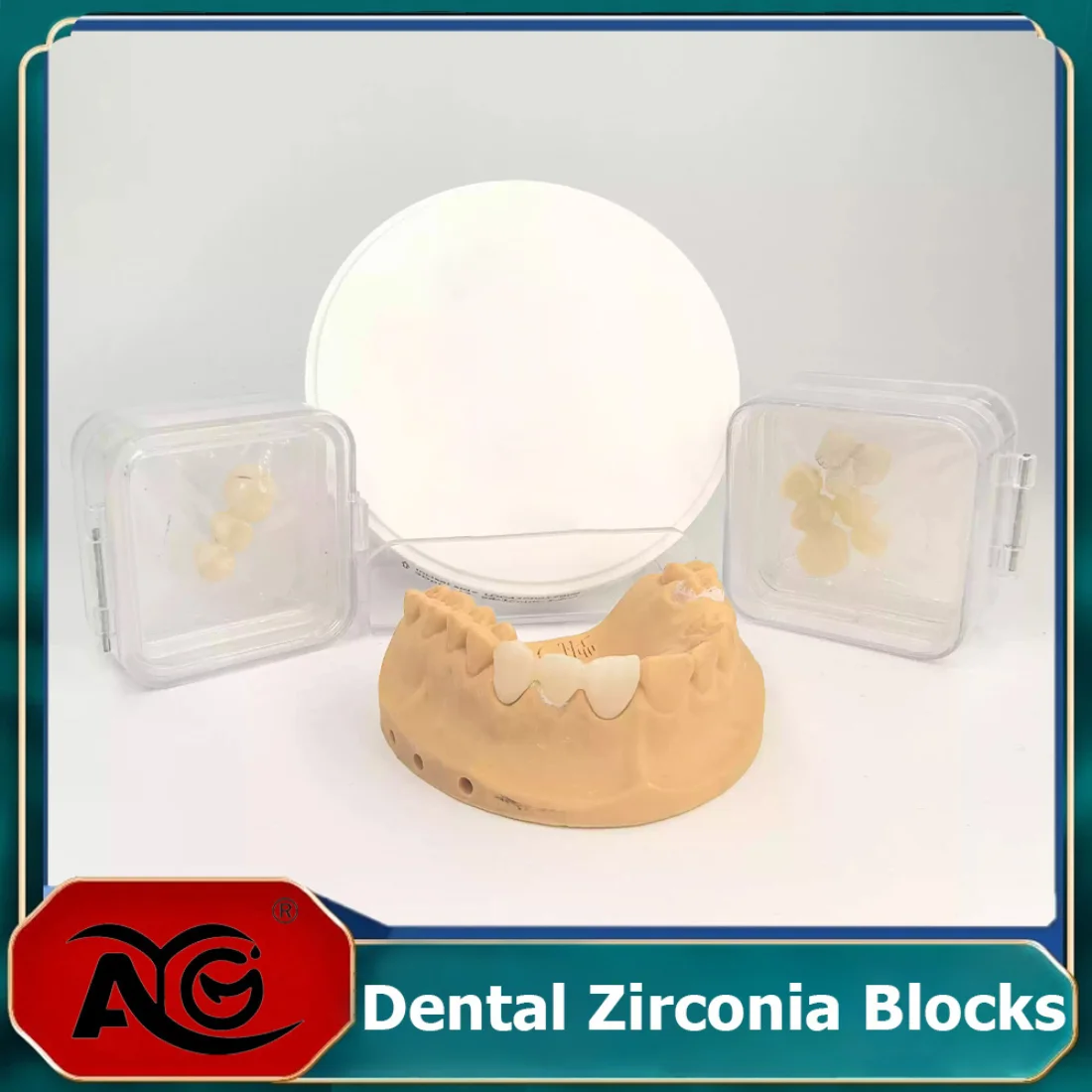
AG Dental Material Zirconia Multilayer ST/3D MULTI-LAYER Zirconia Blocks 98mm Multilayer Zirconia Disc Cad Cam Dental Lab Use
Return&refund policy
Eligible items are covered by return and refund support. If the item does not arrive or is not as described, the buyer can request help.
Security & Privacy
Safe payments: We do not share your personal details with any third parties without your consent.
Secure personal details: We protect your privacy and keep your personal details safe and secure.
AI offer for your market
A curated pick based on category, shipping route, delivery speed and popularity in your selected market.
Why this product fits your market
- • Estimated delivery: 7.
- • Recommendations focus on this product category and your market availability.

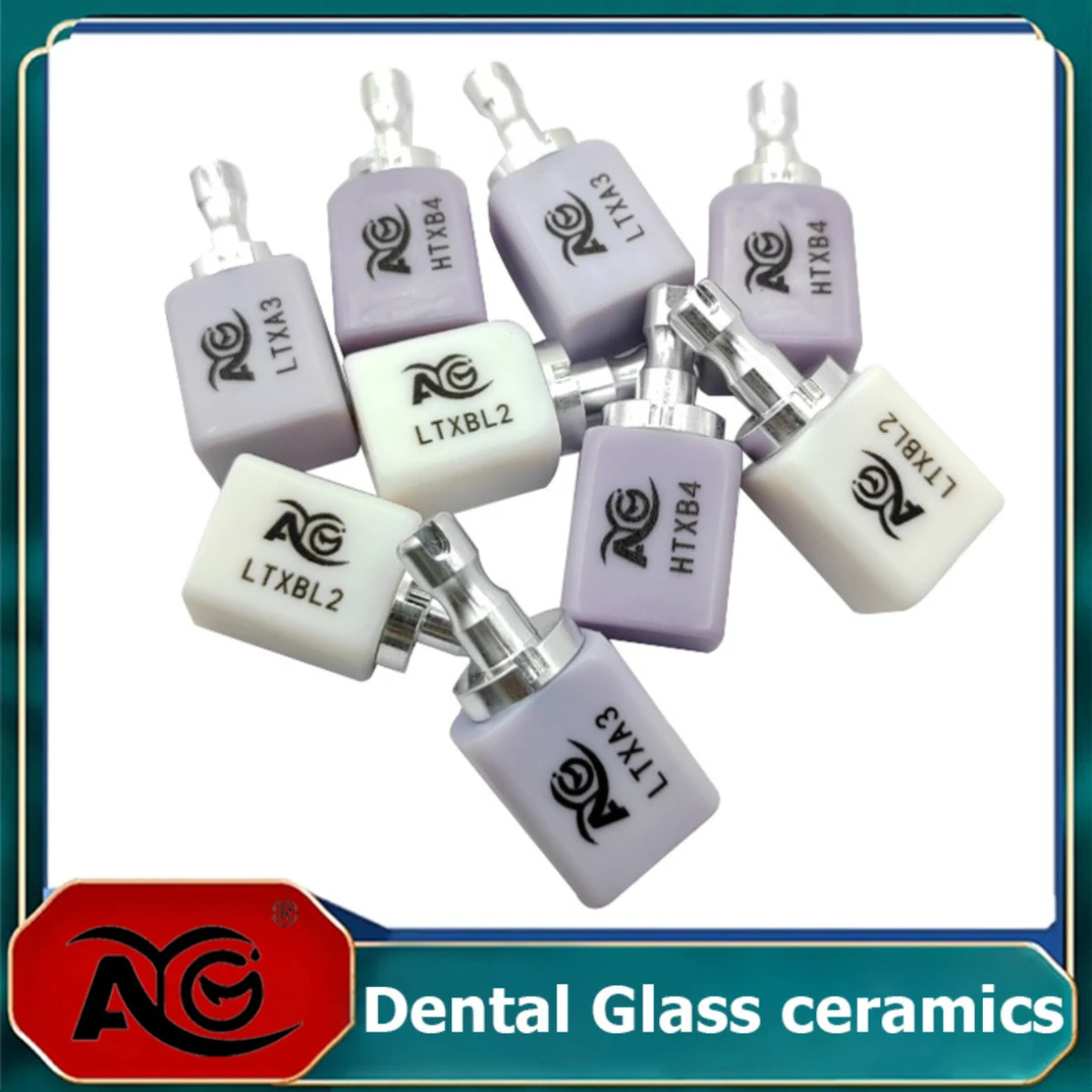
Product specifications
Detailed product description
This product is shown with available options, market-specific pricing and verified specifications.
- Brand: AG
- Package size: 10 × 10 × 5 cm
- Package weight: 0.45 kg
- Rating: 0.0 / 5
- Color: 98x25mm-ST-WHITE
Before adding to cart, choose an available option and check the quantity.
Instruction for Zirconia Blocks
【Product storage】Fragile items should be handled with care to avoid severe vibration, compression, and collision. Keep dry, beware of moisture, and store at room temperature.
【Main components】The chemical composition is shown in the table below
Table 1 Chemical composition of zirconia ceramic blocks for all ceramic dentures
ST-Block ZrO2+HfO 93.0~95. YO 0 4.5~6.5 FeO
HT-Block ZrO2+HfO 93.0~95. YO 0 4.5~6.5 FeO
LT-Block ZrO2+HfO 93.0~95. YO 0 4.5~6.5 FeO
Single layer ZrO2+HfO 93.0~95. YO 0 4.5~6.5 FeO
3D/4D ZrO2+HfO 93.0~95. YO 0 4.5~6.5 FeO
Performance
Appearance: There are no visible foreign objects on the surface of the zirconia ceramic block when observed with the naked eye. The coloring liquid is uniform, and there are no visible foreign objects or precipitates on the surface when observed with the naked eye.
Size: Please refer to the packaging for specific dimensions, with an allowable deviation of ± 2mm.
Volume density of ceramic blocks after sintering:≥6.0 g/cm3.
The flexural strength of ceramic blocks after sintering should comply with Table 3 according to different uses
Requirement: Table 3
classification Recommended use Minimum flexural strength MPa
1 Single unit anterior tooth restoration, veneer, inlay, onlay 50
2 a) Aesthetic ceramics for single unit anterior or posterior dental restorations with adhesive fixation
b) The base ceramic of a single unit anterior or posterior tooth restoration with adhesive fixation 100
3 Aesthetic ceramics for single unit anterior or posterior tooth restoration with non adhesive fixation 300
4 a) Base ceramics for single unit anterior or posterior tooth restoration with non adhesive fixation
b)Ceramic substrate for three unit restorations without molars 300
5 Ceramic substrate for three unit restorations containing molars 500
6 Base ceramics containing four or more units of restorations 800
Vickers hardness (HV5) of zirconia ceramic blocks for all ceramic dentures:30~60kg/mm2.
【scope of application】Used for milling and manufacturing all ceramic denture crowns using CAD/CAM (computer-aided design/computer-aided manufacturing) methods. Coloring liquid is used for shade the internal crown of all ceramic dentures.
【contraindication】Individuals who are allergic to the materials they contain.
【Instructions for use】Open the packaging, take out the porcelain blocks, and place them in specialized dental processing equipment for processing,Requirement:1. The thickness of zirconia cannot be less than 0.4mm,The cross-sectional area of the dental bridge bottom crown connector should be at least 9mm2.2. There should not be more than two bridge bodies between the two abutments in the posterior area, and a cantilever bridge body is allowed to exist.3. Try to achieve uniform feed volume and feed speed as much as possible.4. Scrap when the following situations occur:1)Uneven thickness to noticeable bright light;2)There are cracks or chipped edges and corners;3)Uneven color distribution
The processed restoration is dyed by soaking or brushing with staining solution, then dried with an infrared drying lamp, sintered at high temperature, and processed into a finished product through processes such as overlaying porcelain or applying glaze paste. Finally, it is installed, adjusted, and worn by a professional doctor.