
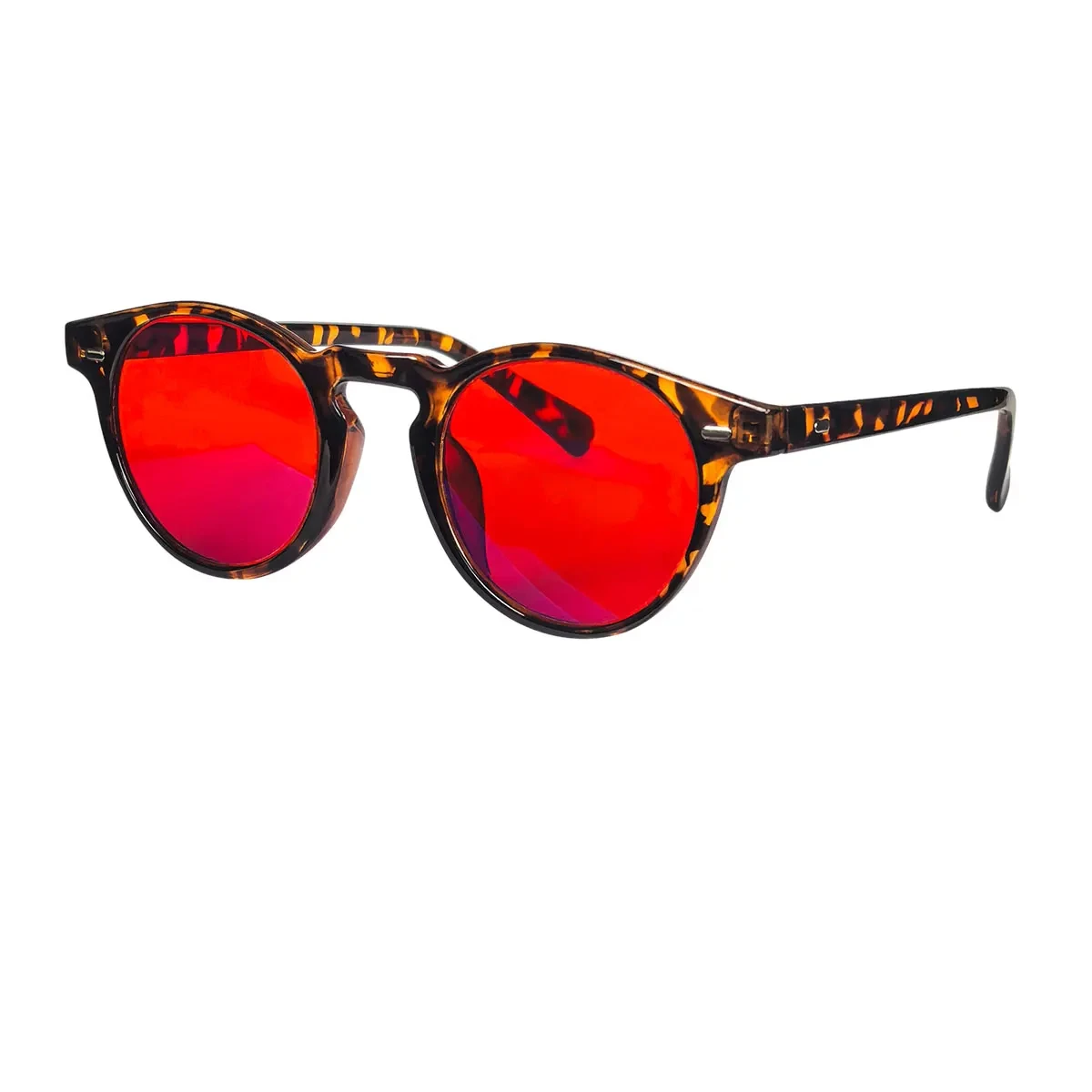
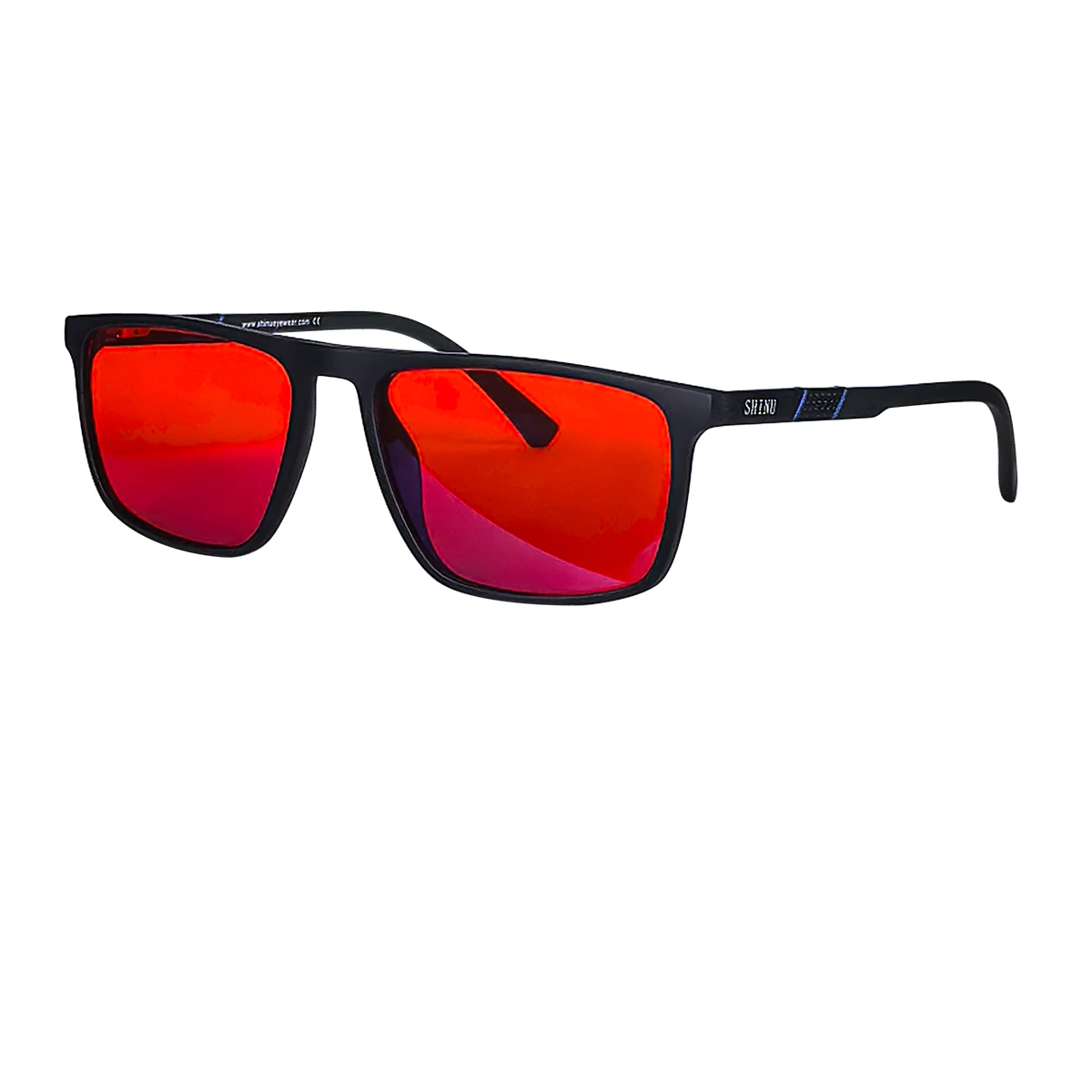
SHINU red lenses glasses men orange lens glasses women computer glasses blue light filter better sleep rest eyeglasses custom
Return&refund policy
Eligible items are covered by return and refund support. If the item does not arrive or is not as described, the buyer can request help.
Security & Privacy
Safe payments: We do not share your personal details with any third parties without your consent.
Secure personal details: We protect your privacy and keep your personal details safe and secure.
AI offer for your market
A curated pick based on category, shipping route, delivery speed and popularity in your selected market.
Why this product fits your market
- • Estimated delivery: 7.
- • Strong customer signal: 4.6★ from 10 reviews.
- • Recommendations focus on this product category and your market availability.


Product specifications
Detailed product description
This product is shown with available options, market-specific pricing and verified specifications.
- Brand: SHINU
- Sales: 63
- Package size: 17 × 7 × 4 cm
- Package weight: 0.128 kg
- Rating: 4.6 / 5
Before adding to cart, choose an available option and check the quantity.
Red Lenses vs. Orange Lenses: Know the Difference
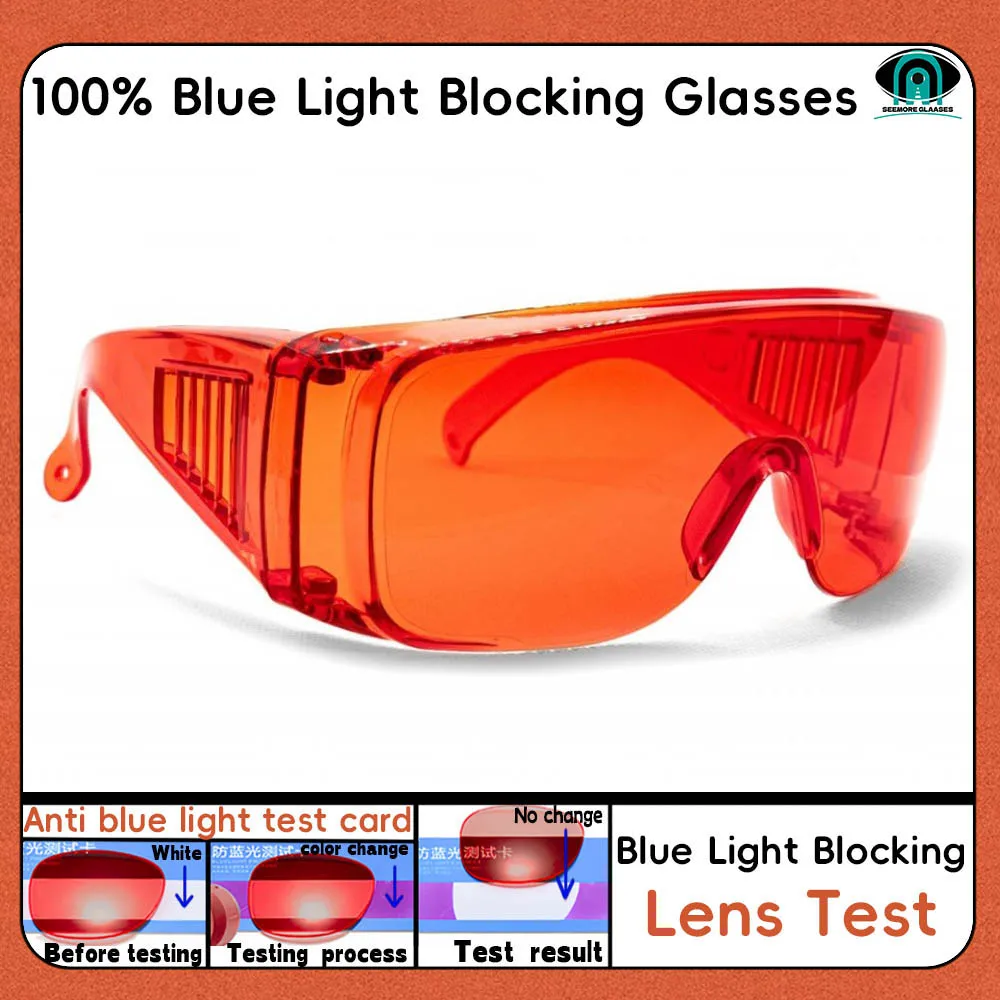
Red lenses are a powerful tool for combating the effects of blue and green light. They block nearly 100% of blue and green wavelengths and all wavelengths below 550nm. This makes them highly effective in promoting sleep as they prevent the suppression of melatonin production. However, their major drawback is extremely low visible light transmittance, only 5.6%, which renders them too dark for outdoor activities like driving or general daytime use. They are mainly reserved for bedtime use to create an optimal sleep environment.
On the other hand, orange lenses also do an excellent job of blocking 99% of blue and green light. But they have a much higher visible light transmittance of 36.9%. This means you can enjoy the benefits of reduced blue light exposure without sacrificing significant visual clarity. Orange lenses are suitable for a wide range of scenarios, from indoor work in front of digital screens to outdoor adventures. They not only protect your eyes but also allow you to maintain a normal level of visual perception and functionality throughout the day.
In conclusion, while both red and orange lenses have their merits in blocking harmful light, the key difference lies in their visible light transmittance. Red lenses are for sleep aid in a stationary, low-light setting, whereas orange lenses offer a more versatile solution for daily life and various activities.